Pool depth sounds simple until you start drawing the transitions. Every extra foot of depth changes how much horizontal run you need, how much shallow water you keep, and how people can actually use the pool.
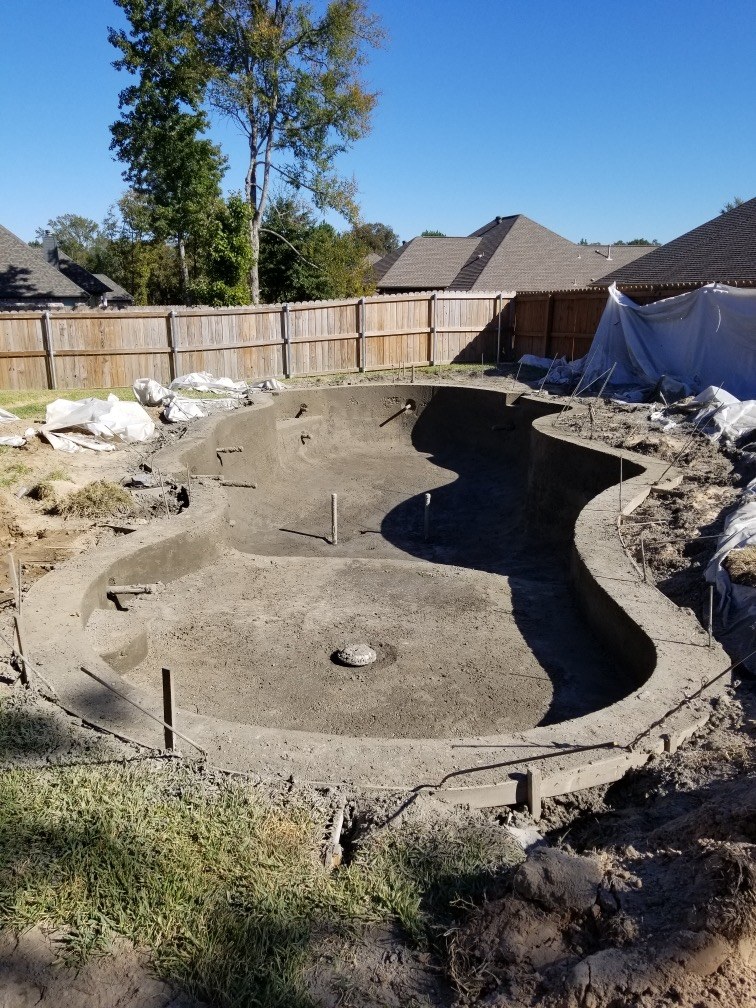
I design depth around how the homeowner will actually use the pool — not around the biggest number we can put on the plan.
Why I sometimes talk people out of a 6-foot deep end
I recently had a client who wanted a six-foot deep end because the grandkids wanted to dive. I recommended reducing that area to around five feet unless they wanted to design a true diving area.
My concern with six feet is that it can become an awkward middle ground: too deep for many adults to comfortably stand, but not what I would recommend as a true diving depth. That can create an area of the pool that does not get used as much as the homeowner expected.
What depth does Matt recommend for diving?
For homeowners who want a true diving area, my standard recommendation is around 8 feet of depth, with the rest of the pool geometry designed appropriately for diving. Depth alone is not enough — the transition, slope and usable diving-water envelope all matter.
Why I talked another client out of a 12-foot deep pool
Another client wanted a 12-foot deep end in a relatively small residential pool. I initially designed around 10 feet, which already reduced cost, and I ultimately felt the pool would function better shallower.
In my residential work, about eight feet is generally the deepest I recommend unless there is a specific reason to go deeper. A very deep end in a smaller pool consumes a lot of horizontal transition space. That can take away from the shallow end, tanning ledges and the parts of the pool people use most.
The deeper the pool, the more the slope matters
When the pool drops rapidly from a shallow area into a very deep area, the transition can start to feel like a wall rather than a comfortable pool floor. That is why I look at the entire geometry instead of treating “deep end depth” as an isolated number.
“I will always talk a customer out of doing something that I think is a waste of money, and I'll always give them my best professional advice ... not just to make money, but for their best interest.”
Safety note: Any pool intended for diving has to be designed around the complete diving geometry and applicable requirements for the project. Matt's depth recommendations here are his field-design guidance, not a substitute for project-specific code, engineering or diving-equipment requirements.
Designing a new pool?
Matt can help match depth, shallow space, features and budget to the way your family will actually use the pool.
Discuss Your Pool Design